9 hr
Reykjanes Volcano & Lava Field Hiking Experience
- Expert local guide
- Small group
- Skip-the-line access
- Free cancellation
Reykjanes Peninsula Tour — Volcanic Craters, Geothermal Fields & Coastal Cliffs
Where molten earth meets the Atlantic, where steam rises from ancient fissures
Compare fares, pick the fit — all bookings are mobile-voucher and eligible for free cancellation where shown.
9 hr
7 hr
9 hr
| Experience | Duration | Rating | Pickup | Skip-the-line | Guide | Small group | Price | |
|---|---|---|---|---|---|---|---|---|
|
Guided Experience
Most popular
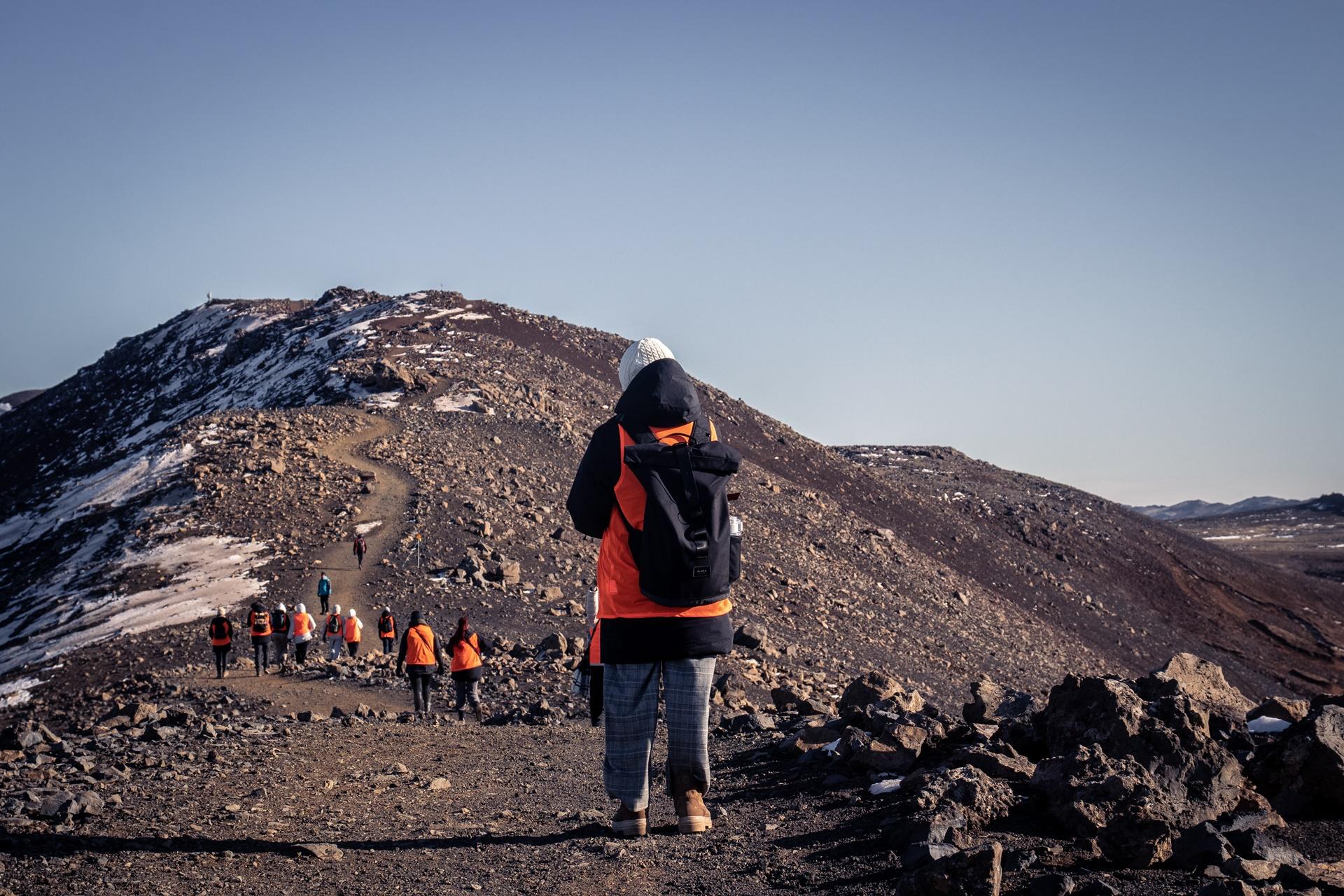
Reykjanes Volcano & Lava Field Hiking Experience
|
9 hr | ★ 4.7 | ✓ | ✓ | ✓ | ✓ | €115 | Book → |
|
Guided Experience
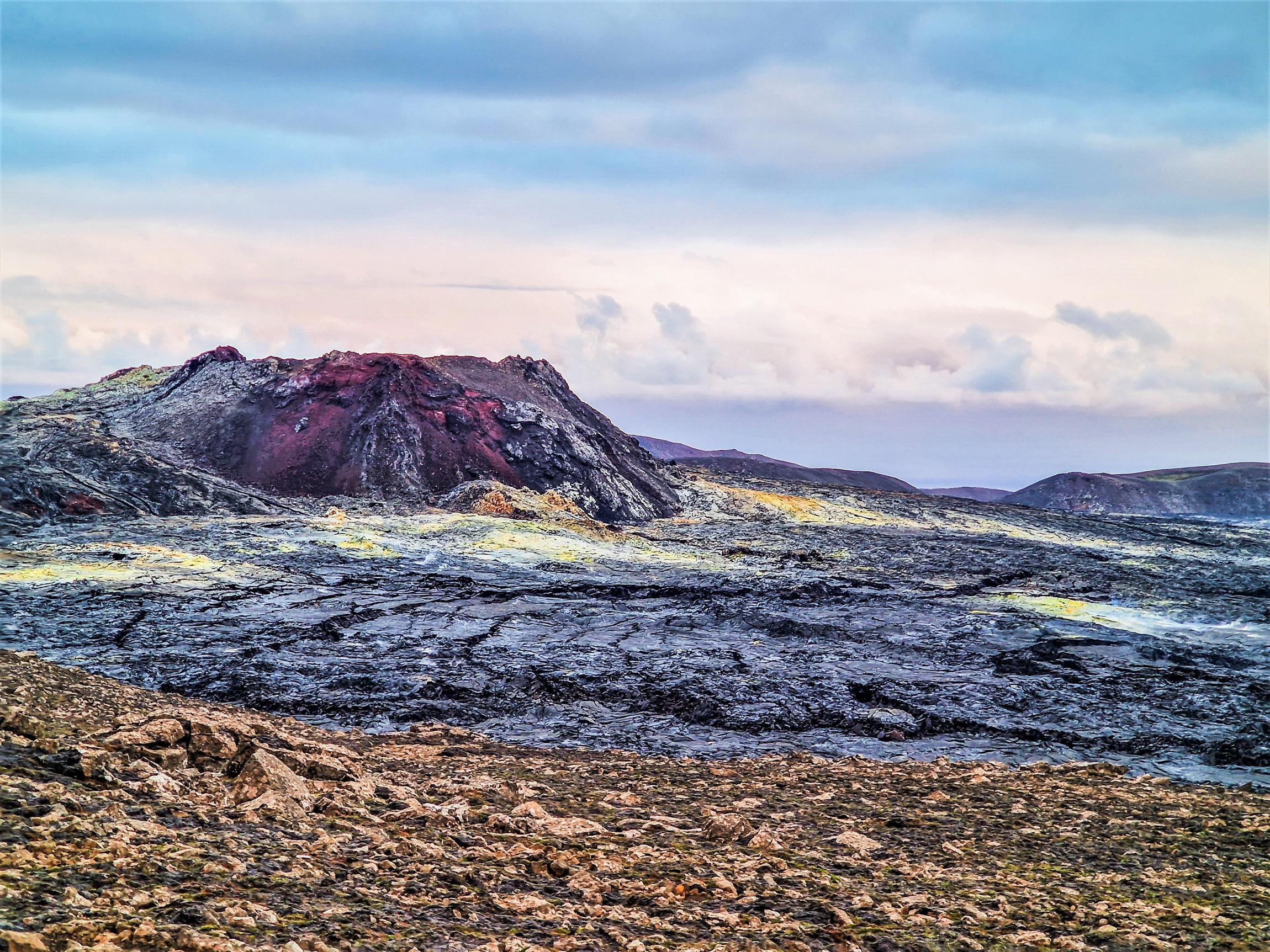
Guided Afternoon Hike to Litli-Hrutur Volcano
|
7 hr | ★ 4.4 | ✓ | ✓ | ✓ | ✓ | €115 | Book → |
|
Guided Experience
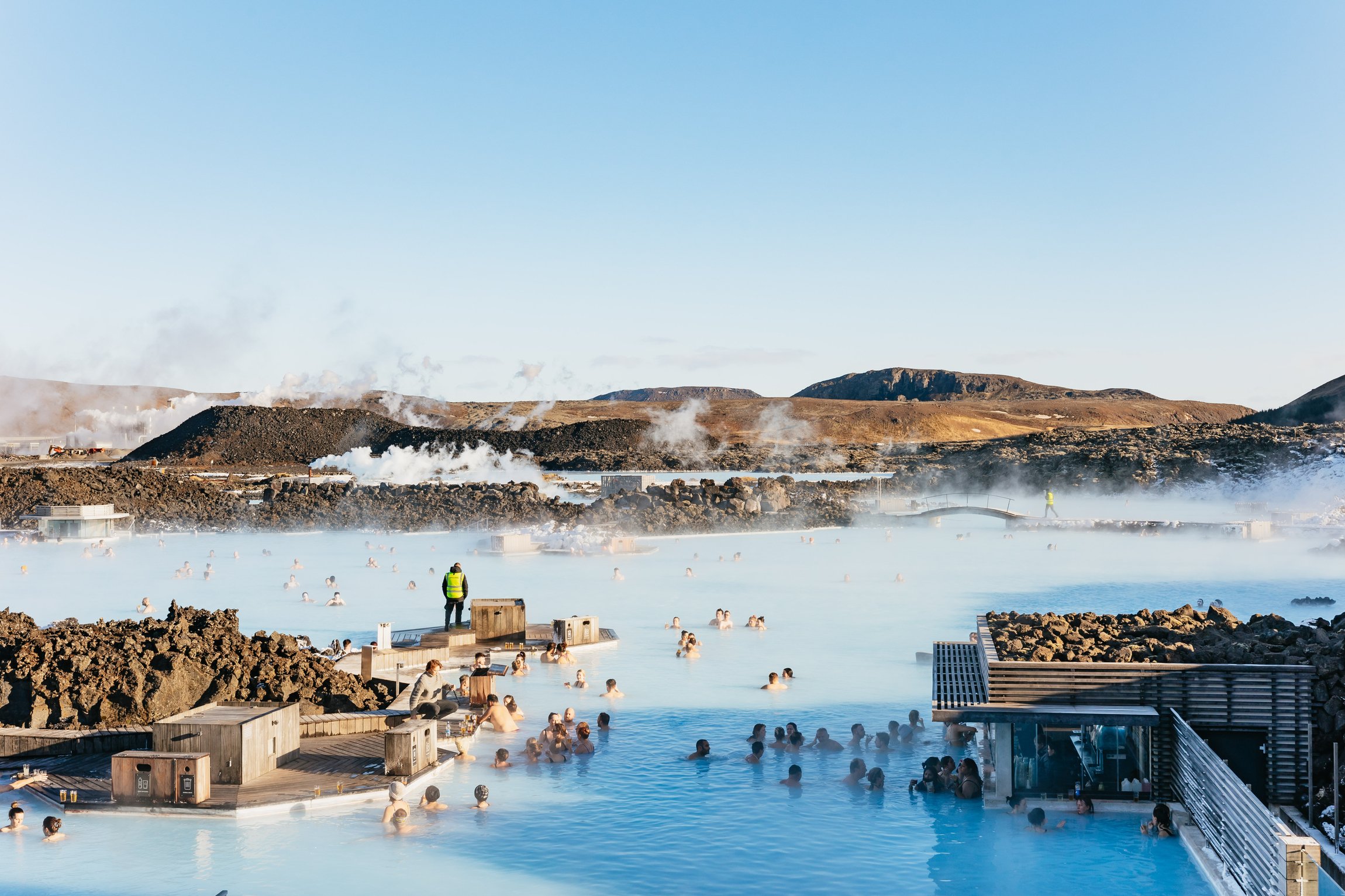
Reykjanes Volcano Hike & Blue Lagoon
|
9 hr | ★ 4.6 | ✓ | ✓ | ✓ | ✓ | $273 | Book → |
They complement each other; most visitors who do both find the Golden Circle landmarks more iconic, while a reykjanes peninsula tour offers raw geological intensity. The former provides a classic Icelandic introduction, whereas the latter is an exploration of untamed volcanic terrain.
|
Top pick Reykjanes Peninsula |
Golden Circle | |
|---|---|---|
| Primary landscape | Volcanic fields and rugged coastline | |
| Main highlights | Geothermal areas and dramatic cliffs | |
| Distance from Reykjavik | 0–45 minutes | |
| Crowd levels | Low to moderate | |
| Primary visitor type | Geology enthusiasts and airport travelers | |
| See tickets & prices |
Verdict: Choose the Golden Circle for historical sightseeing with reykjanes peninsula tour tickets if you prefer compact, high-frequency geothermal displays, or select the peninsula for a quieter, wilder experience that requires fewer reykjanes peninsula tour tours for a deep nature connection, and consider reykjanes peninsula tour tour options if you desire expert commentary on local tectonic movements.
Hand-picked experiences loved by thousands of travelers
4 - 6 hours
Free Cancellation
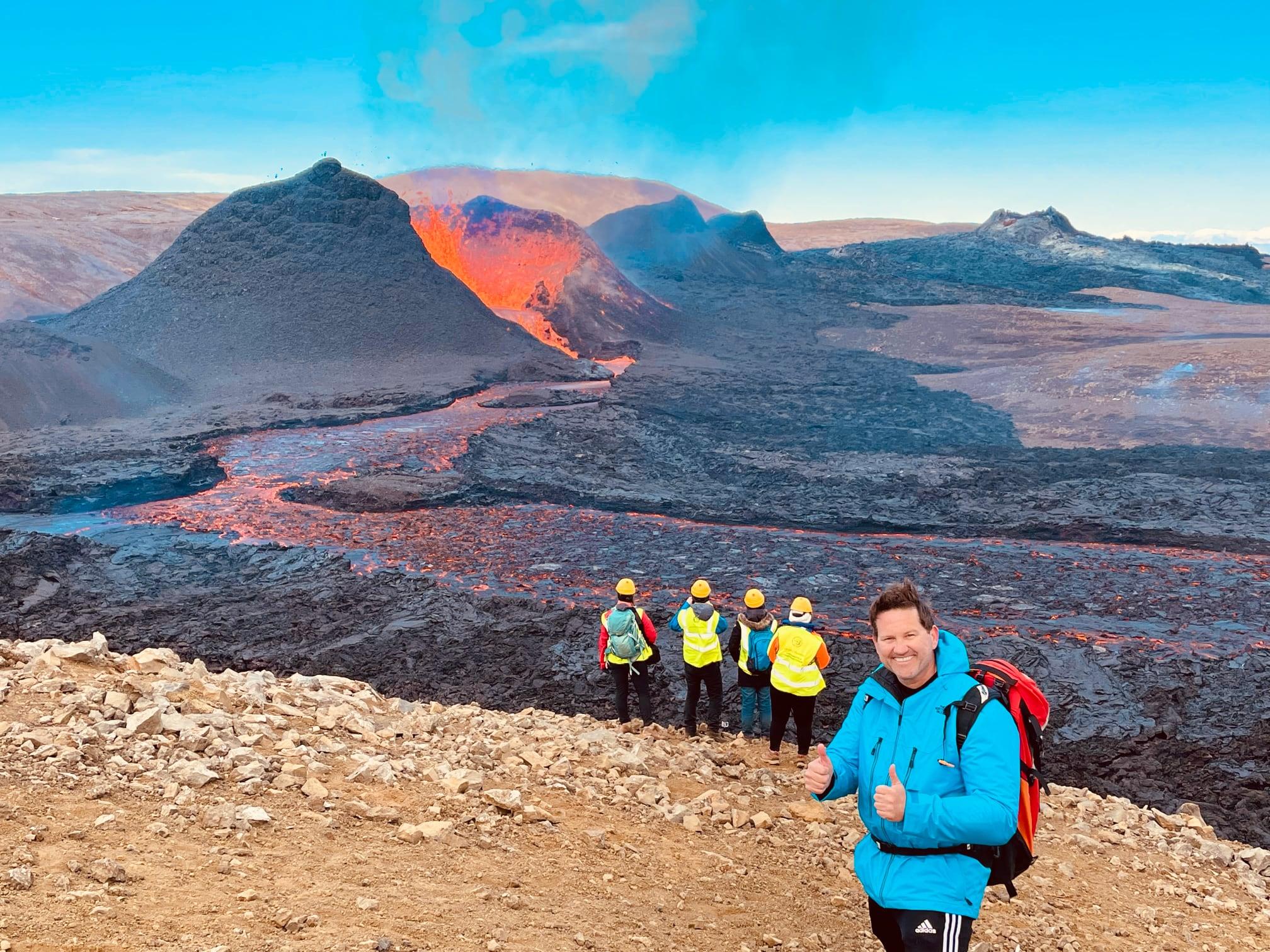
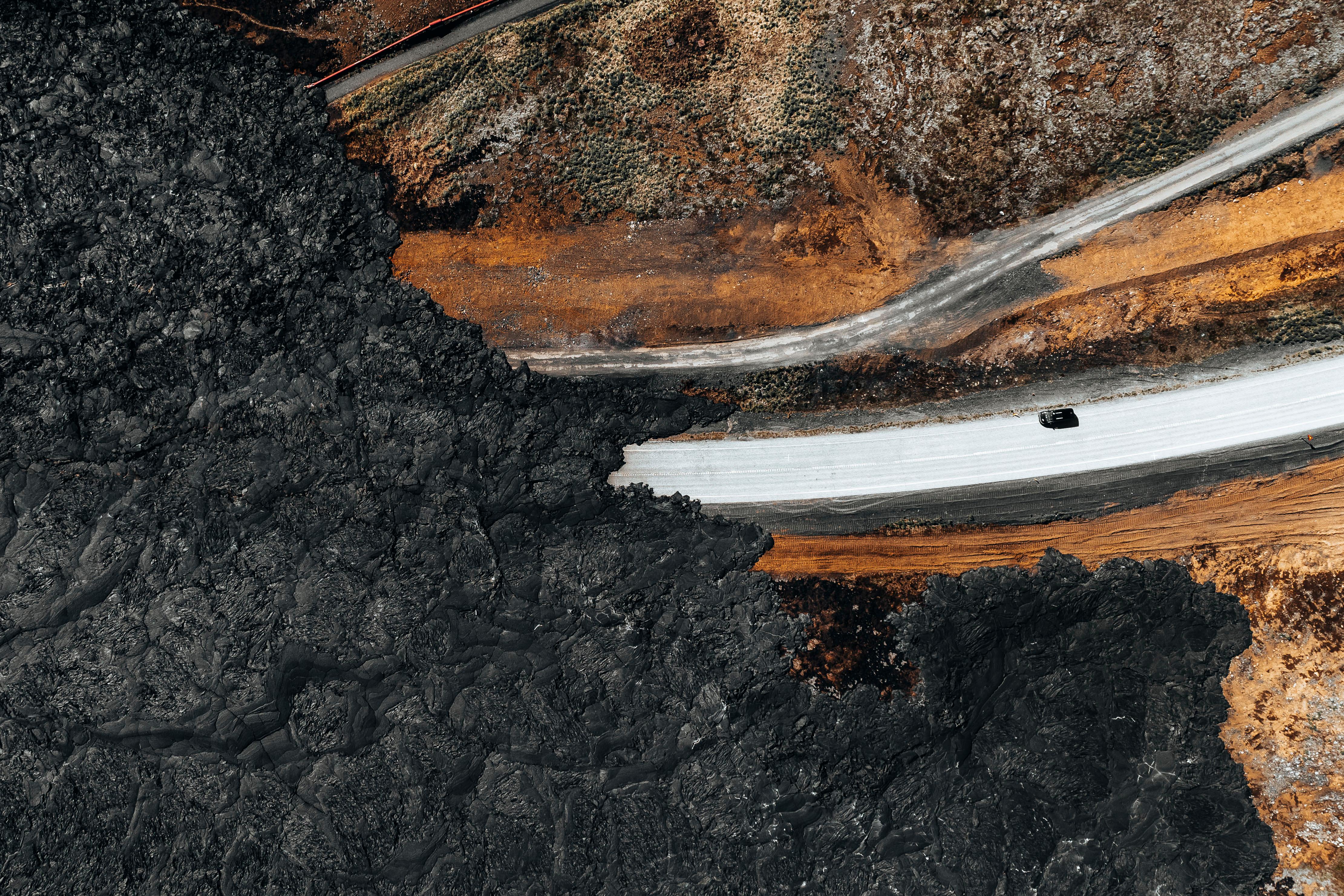
Trek across brand-new lava fields with guides who witnessed the eruptions firsthand
4 - 6 hours
Free Cancellation
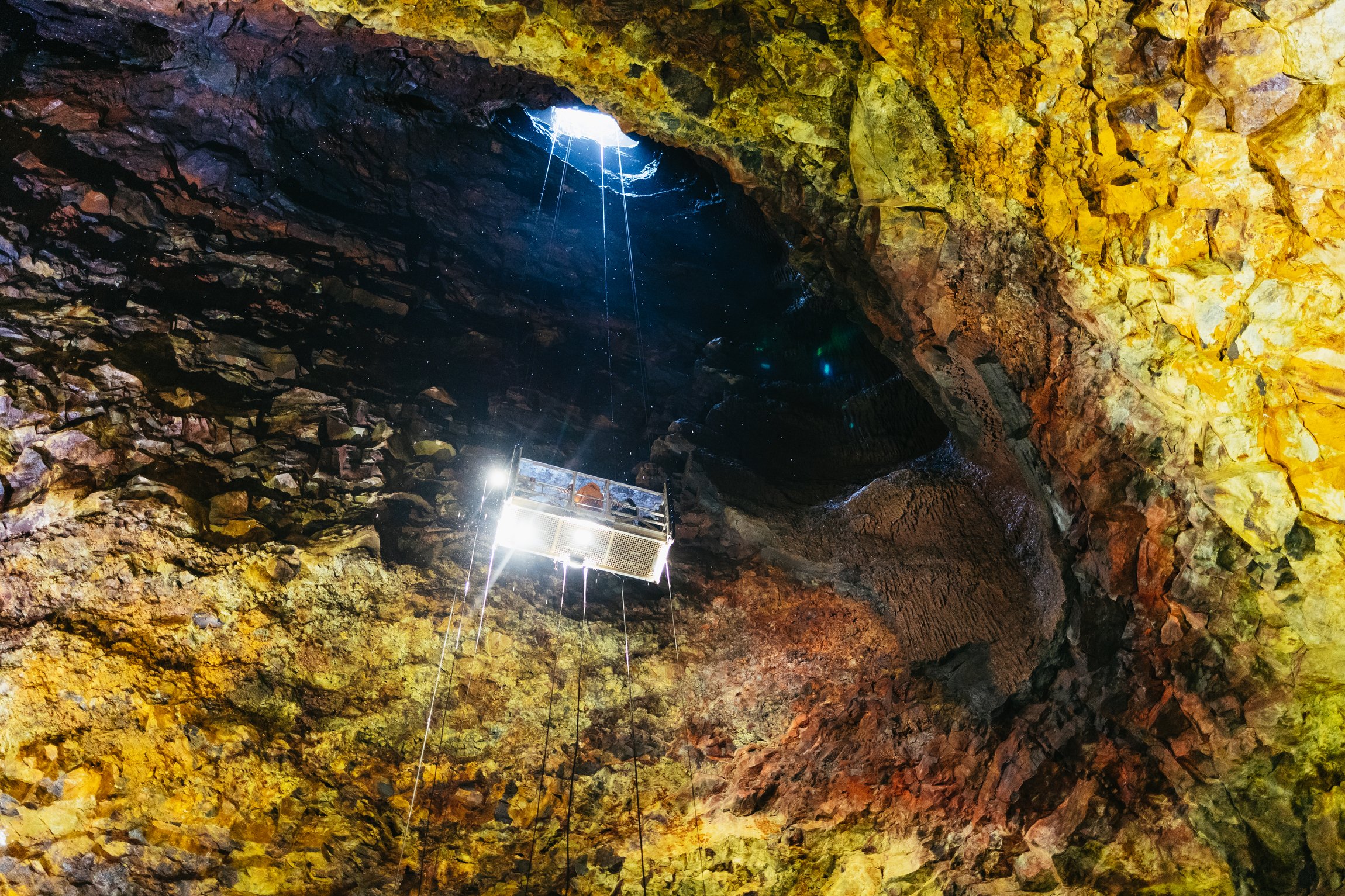
Descend 120 meters into a dormant magma chamber and witness volcanic geology from the inside
6 hours
Free Cancellation
Half-day journey through Iceland's active volcanic zone with craters, lava fields, and geothermal wonders
7 hours
Free Cancellation
Journey across volcanic plains to witness Iceland's newest eruption site and geothermal wonders
Full day (approximately 8 hours)
Free Cancellation
Traverse volcanic landscapes, witness erupting mud geysers, and cross between two continents before soaking in Iceland's legendary thermal spa.
6 hours
Free Cancellation
Journey through geothermal landscapes, lava fields, and the tectonic divide on this guided geological adventure
7 hours
Free Cancellation
Full-day private expedition across volcanic terrain, geothermal fields, and tectonic wonders, ending with two hours at the Blue Lagoon
6 hours
Free Cancellation
Explore Iceland's volcanic peninsula with geothermal wonders, coastal cliffs, and continental rifts
Begin at Keflavík to orient yourself to the landscape.
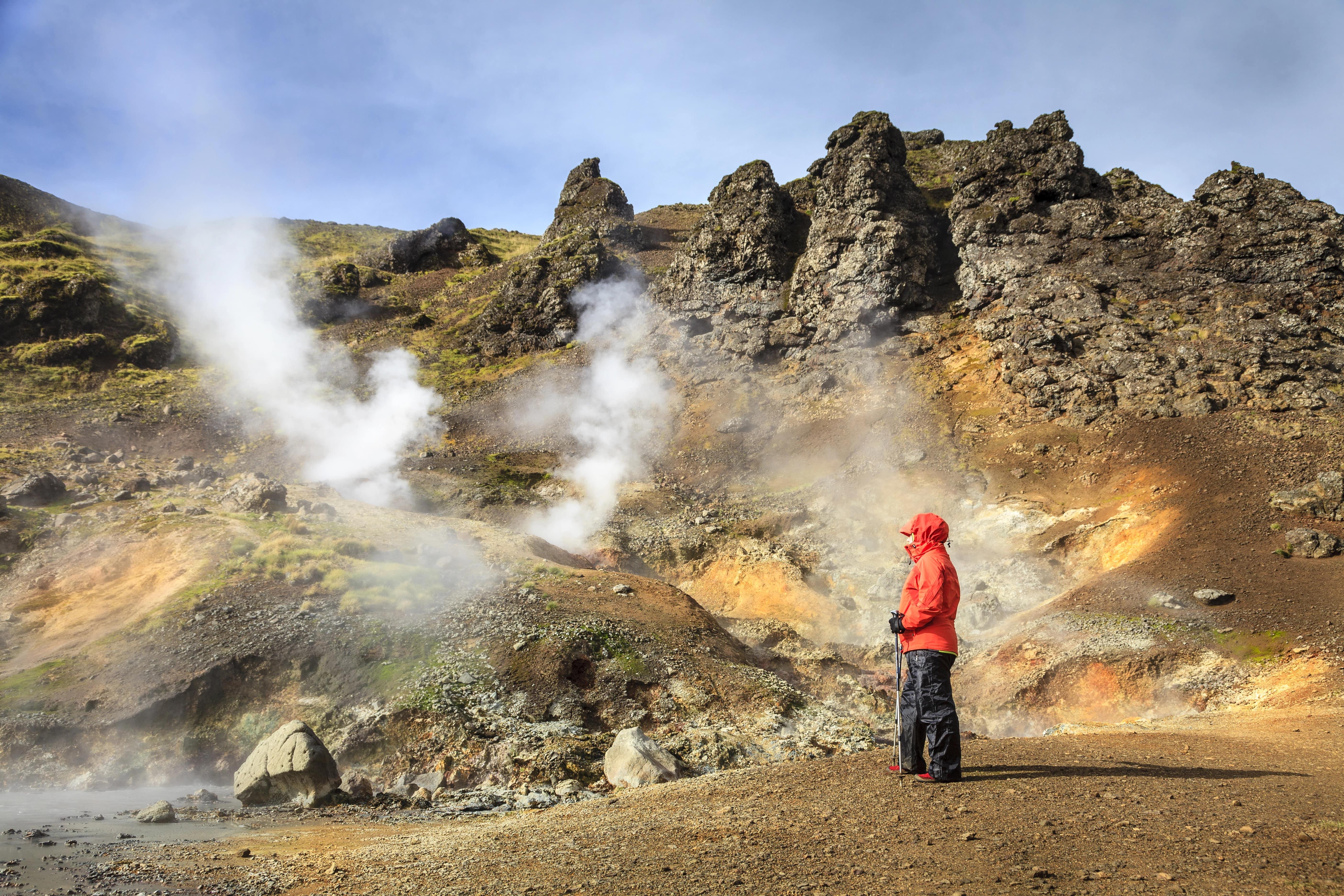
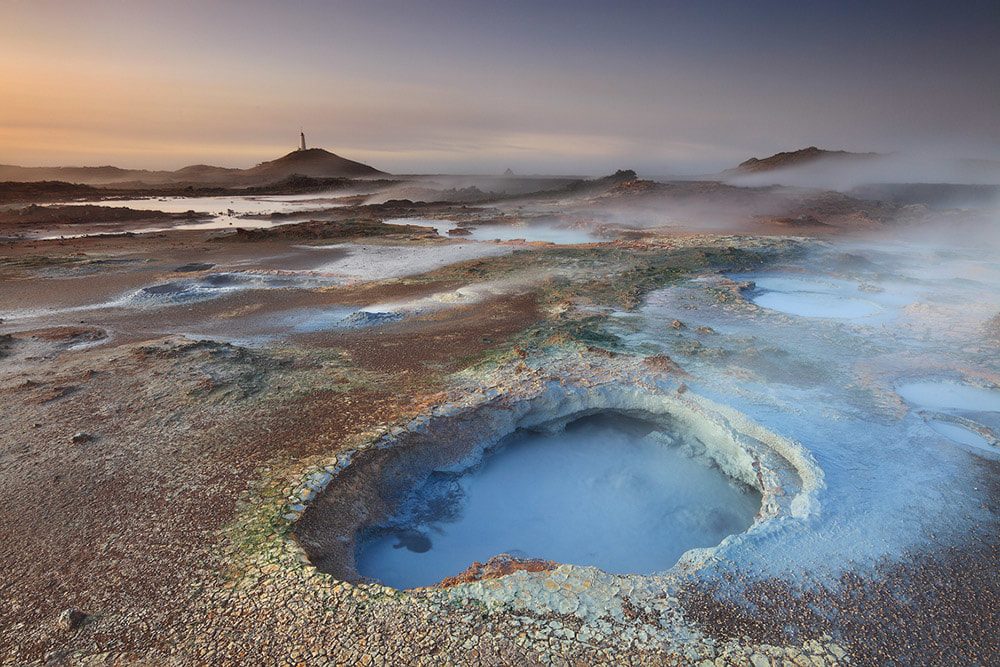
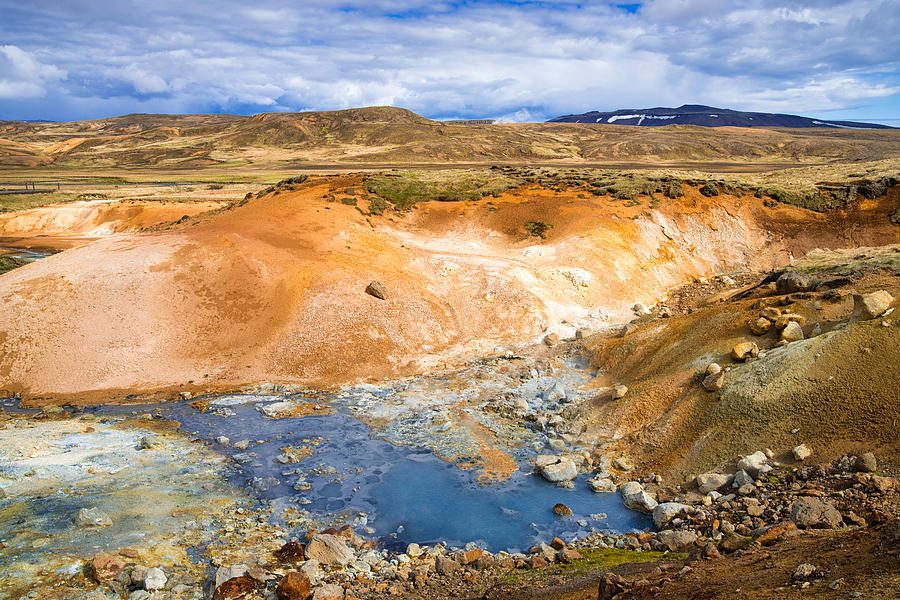
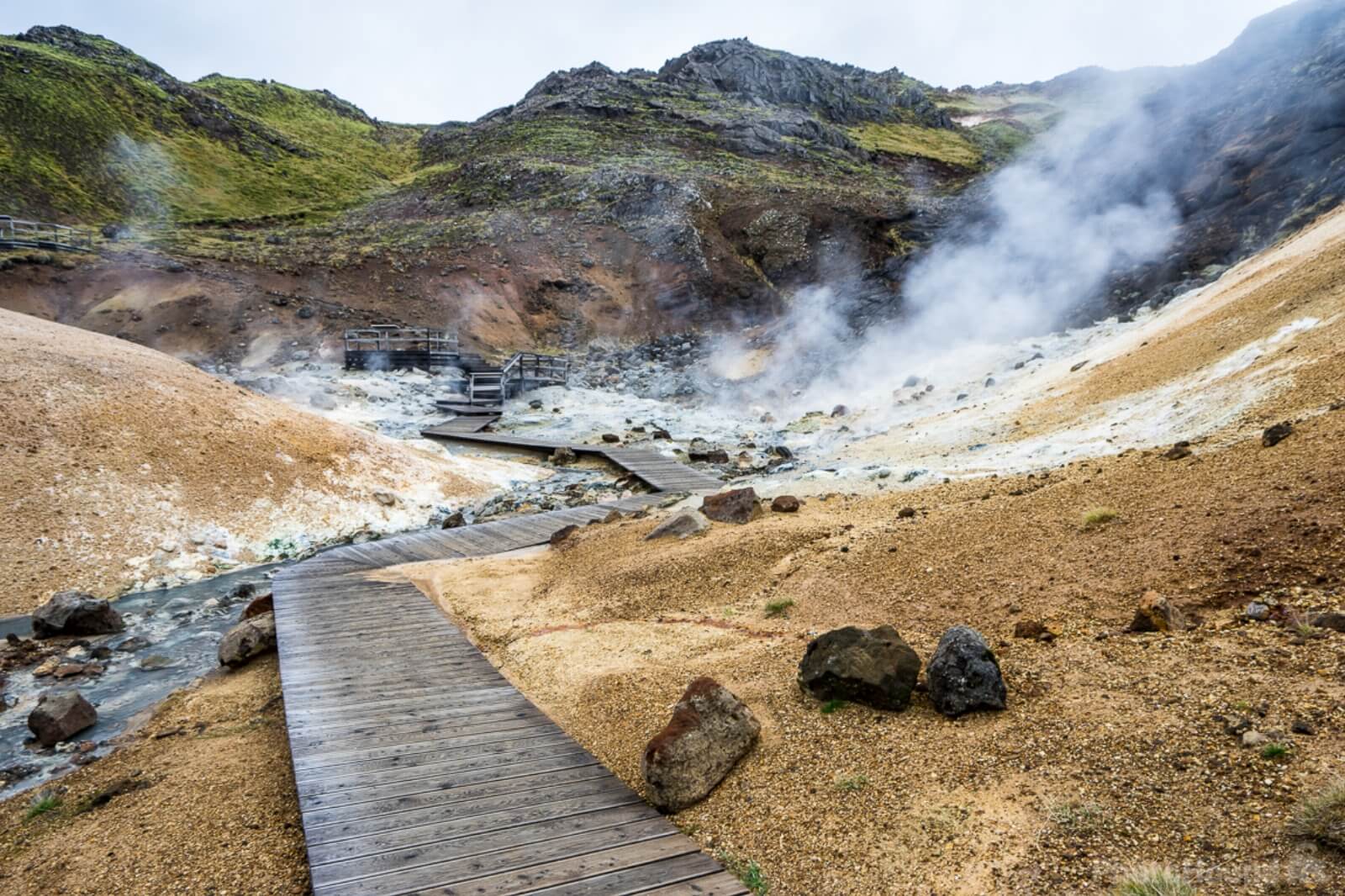
Visit Seltún mud pools and steaming vents.
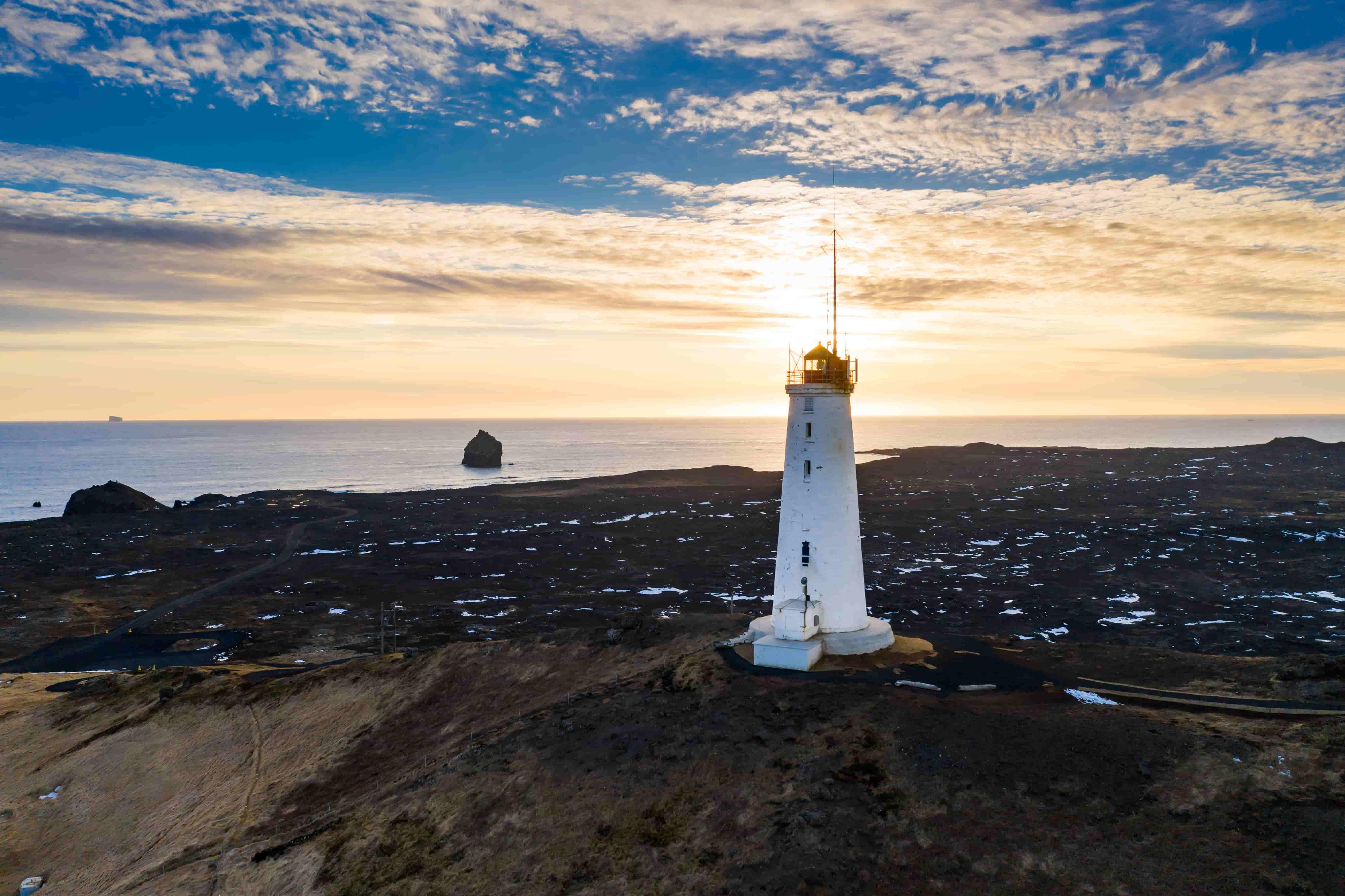
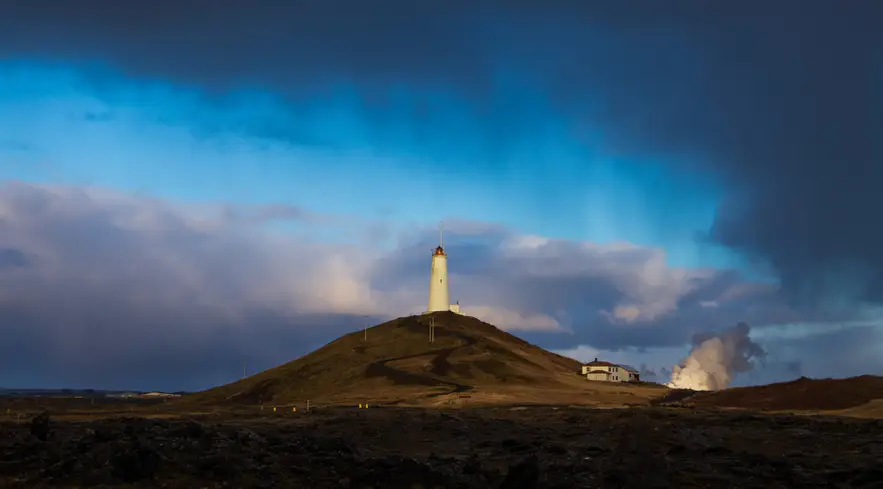
See the lighthouse and dramatic cliffs at Valahnúkamöl.
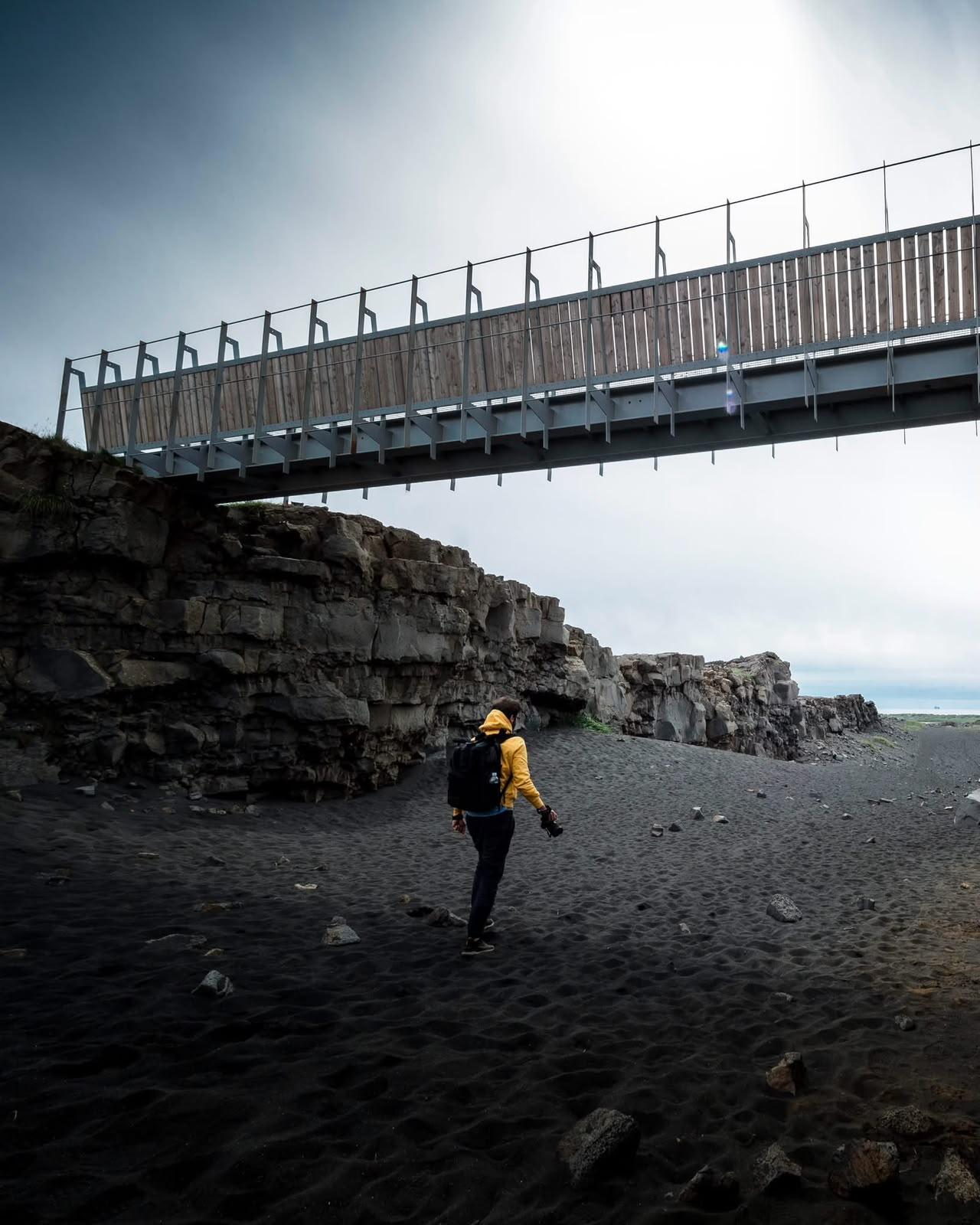
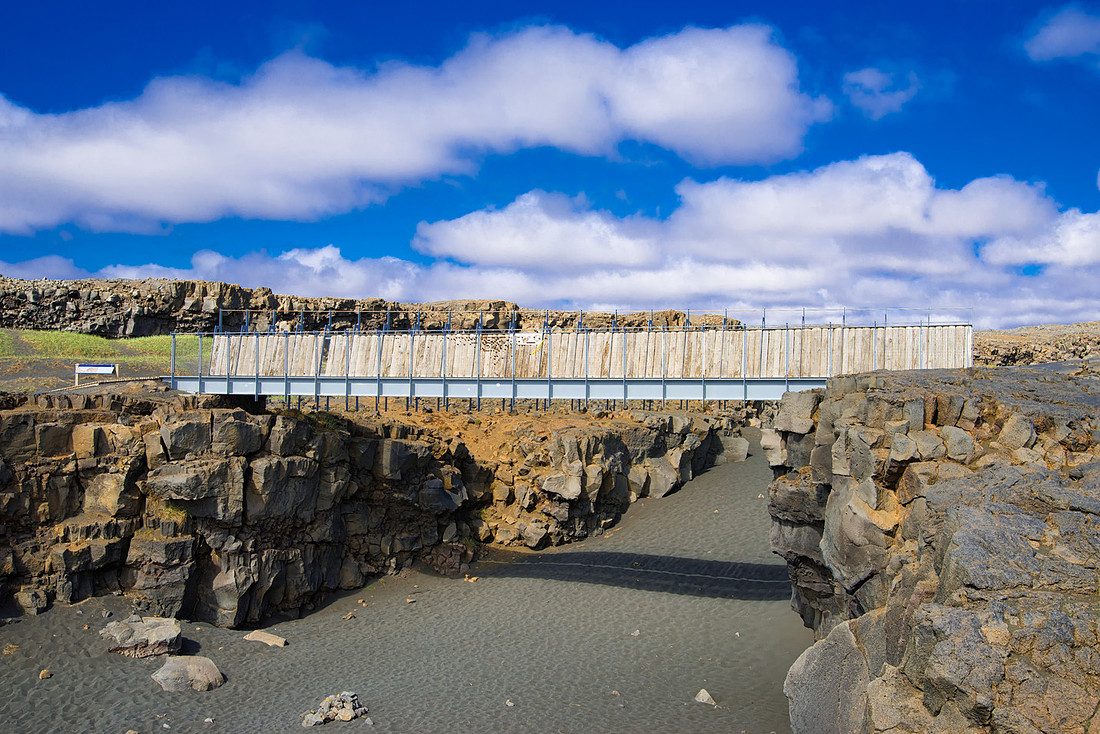
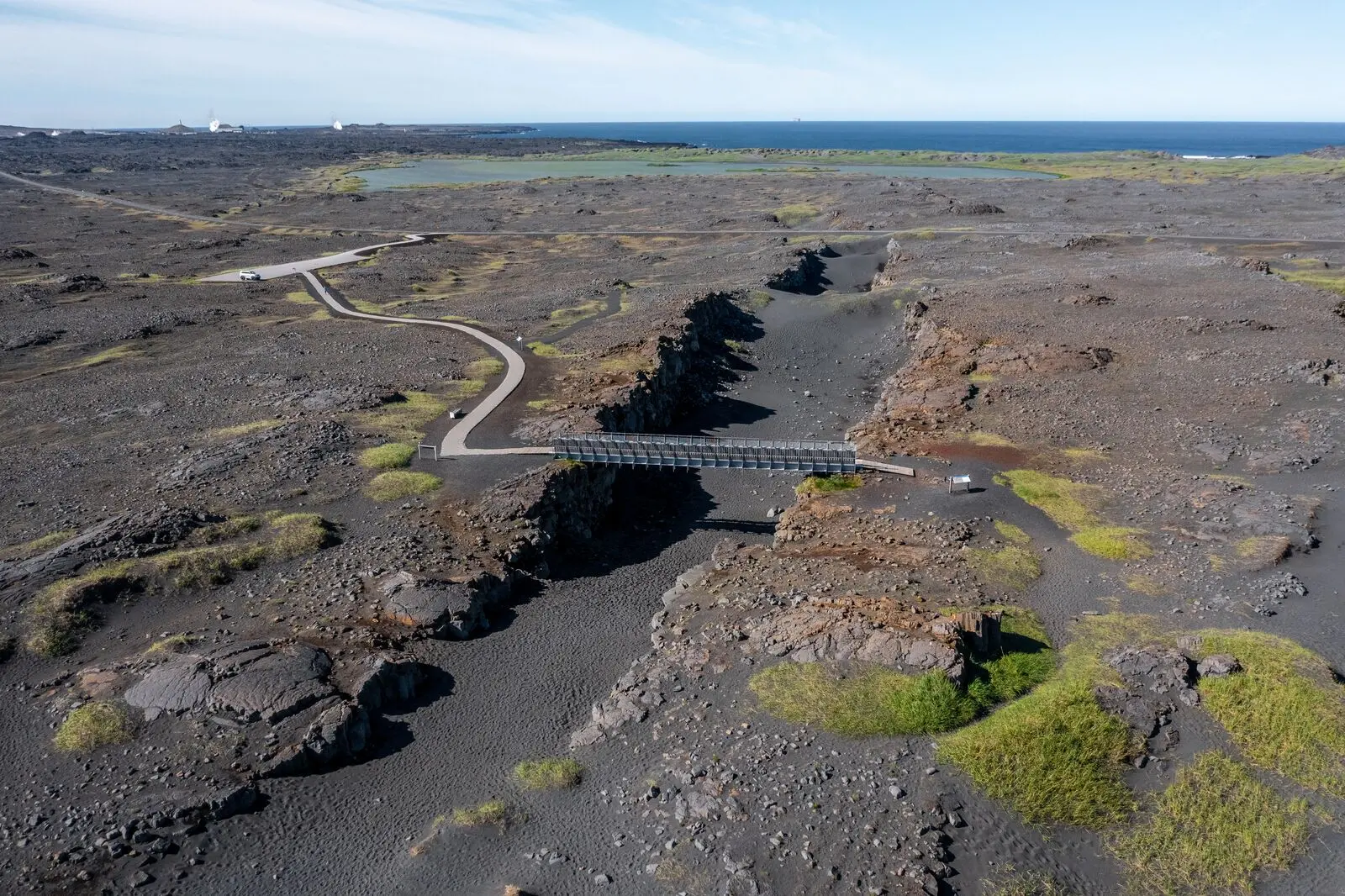
Walk across the rift connecting two tectonic plates.
One of the hottest geothermal areas, reaching temperatures of 300°C beneath the surface.
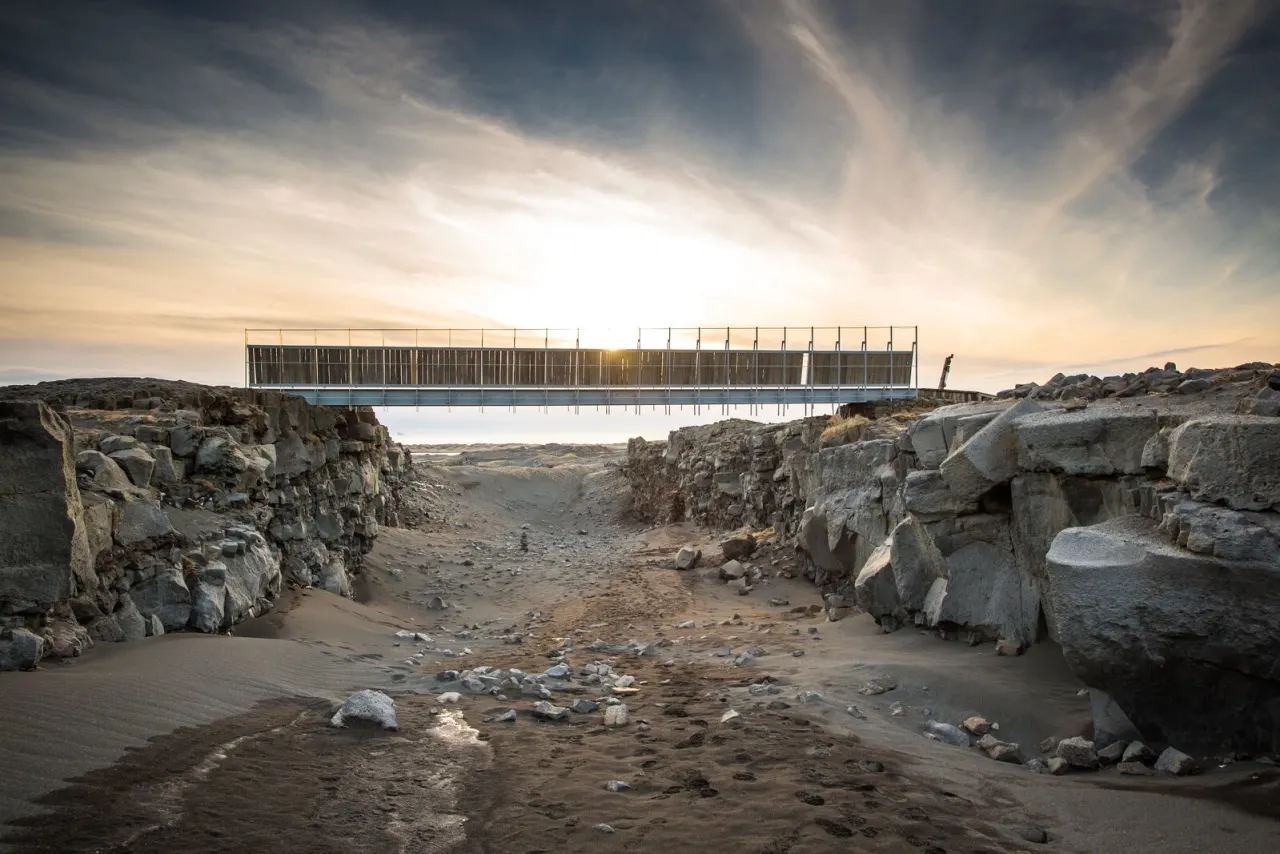
A walkway spanning the rift between the Eurasian and North American tectonic plates.
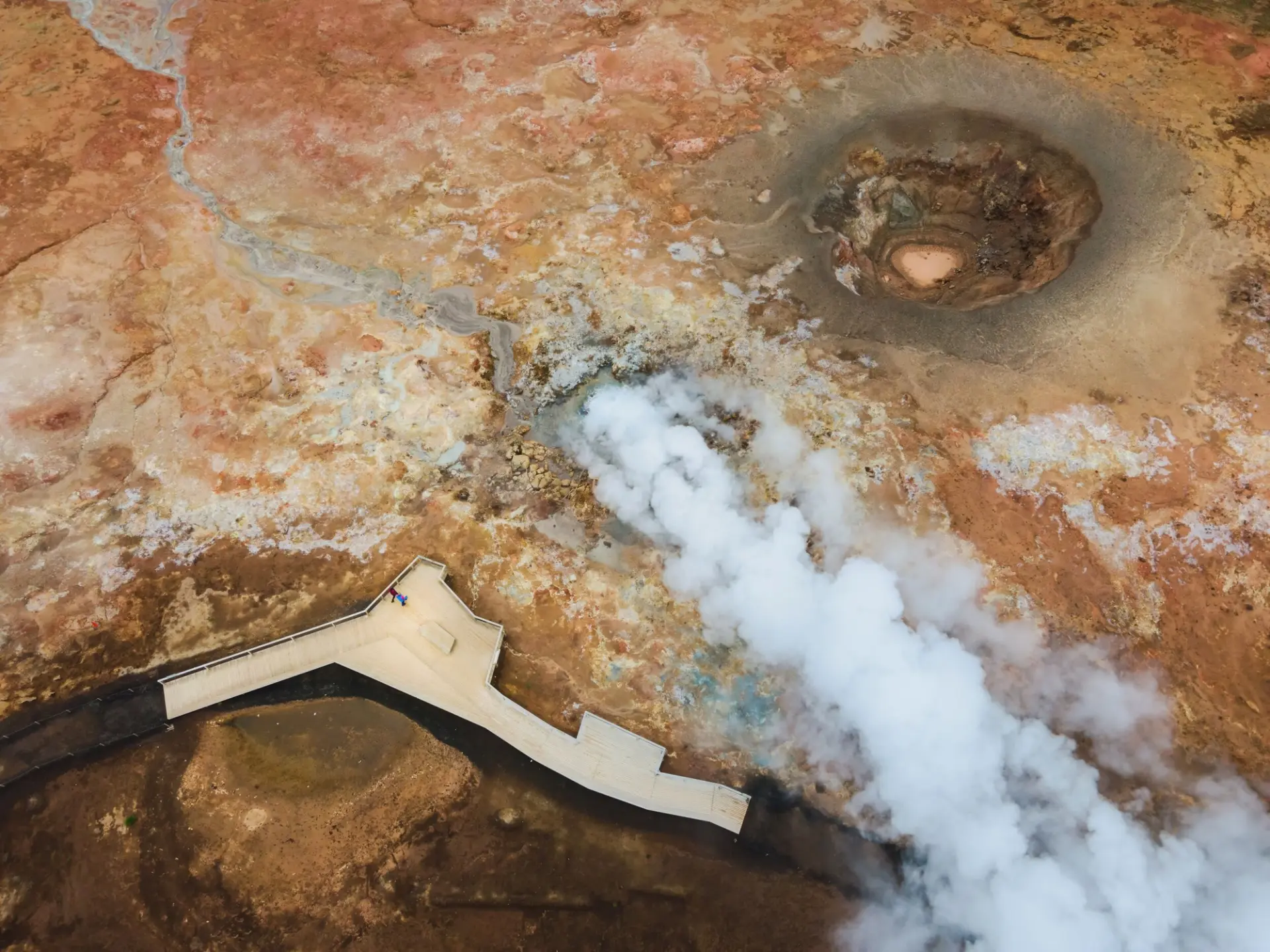
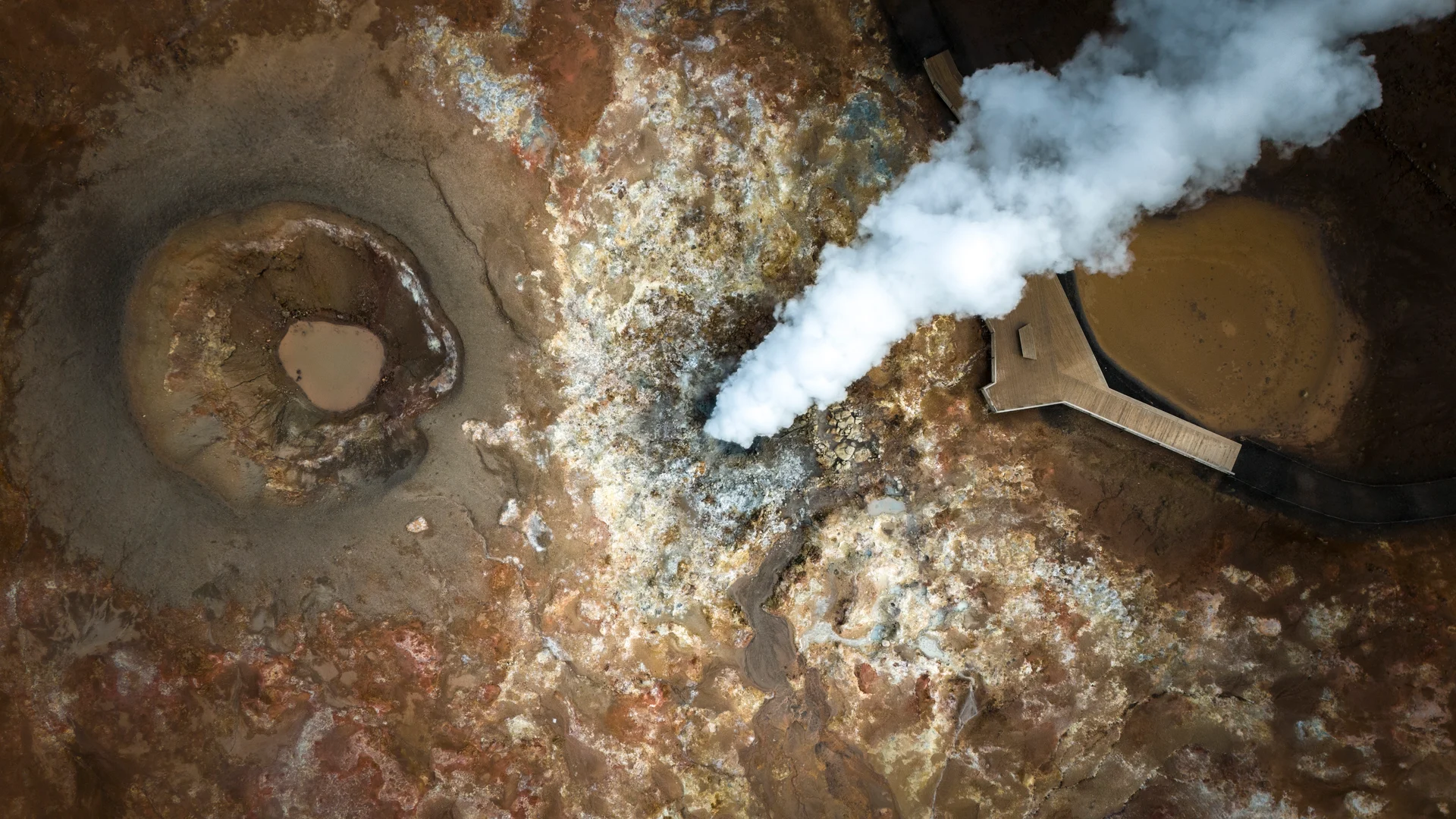
A vibrant landscape of bubbling mud pots and colorful mineral deposits.
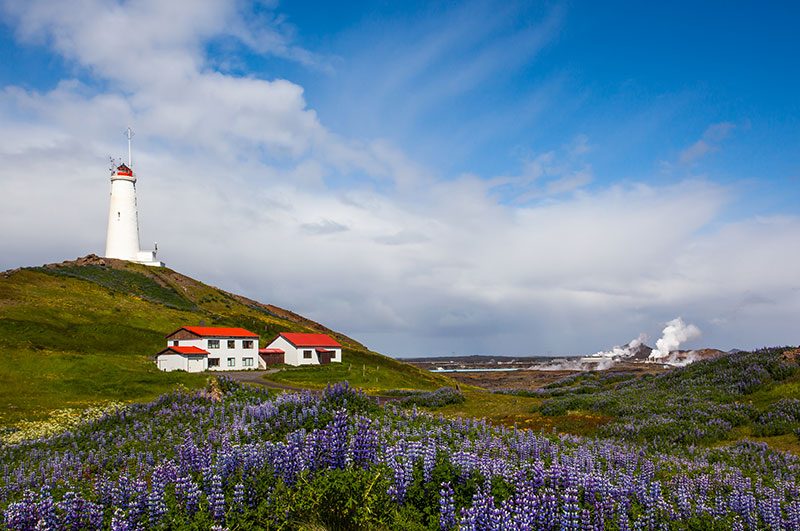
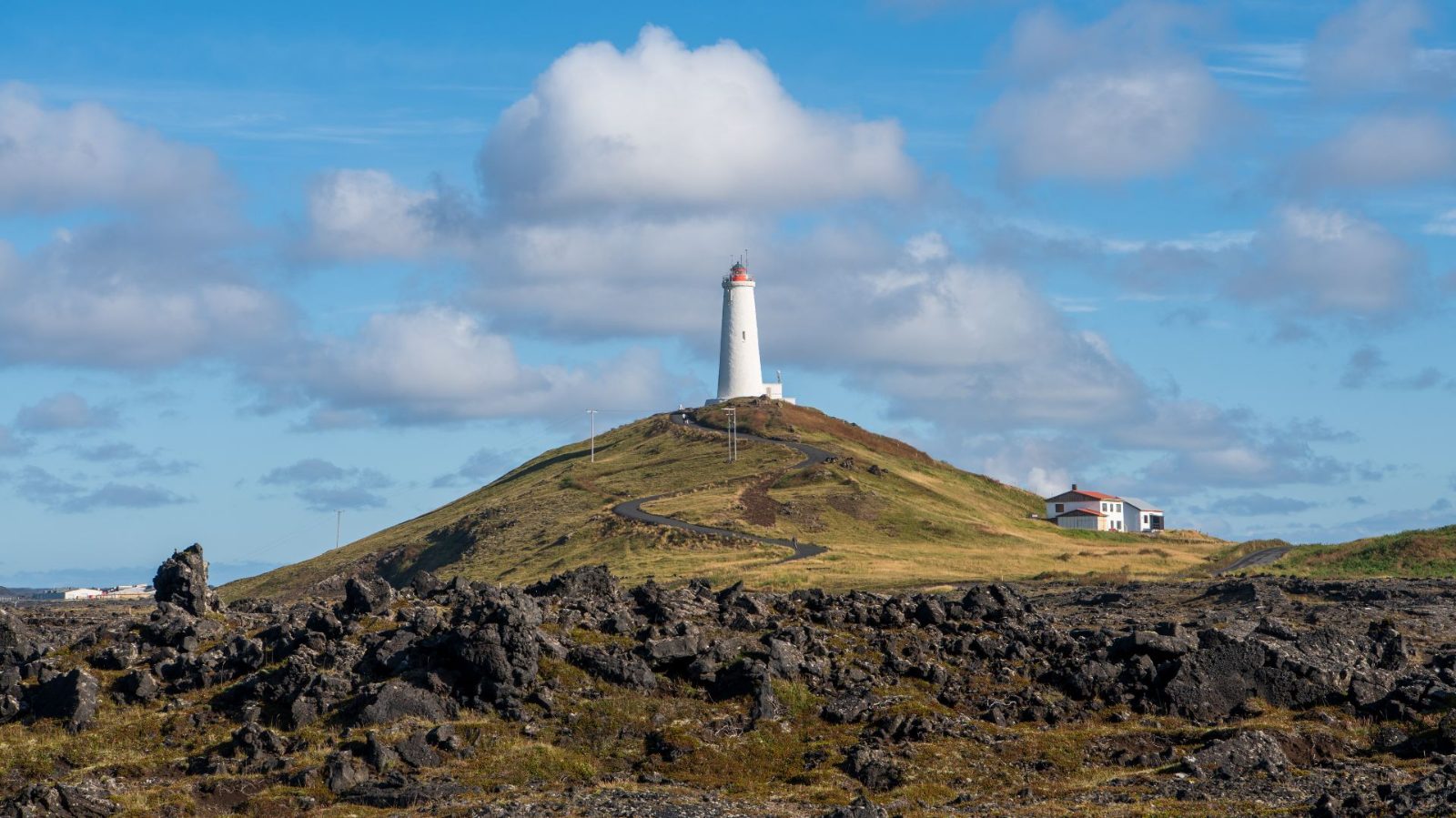
The oldest lighthouse in Iceland, standing on dramatic coastal cliffs.
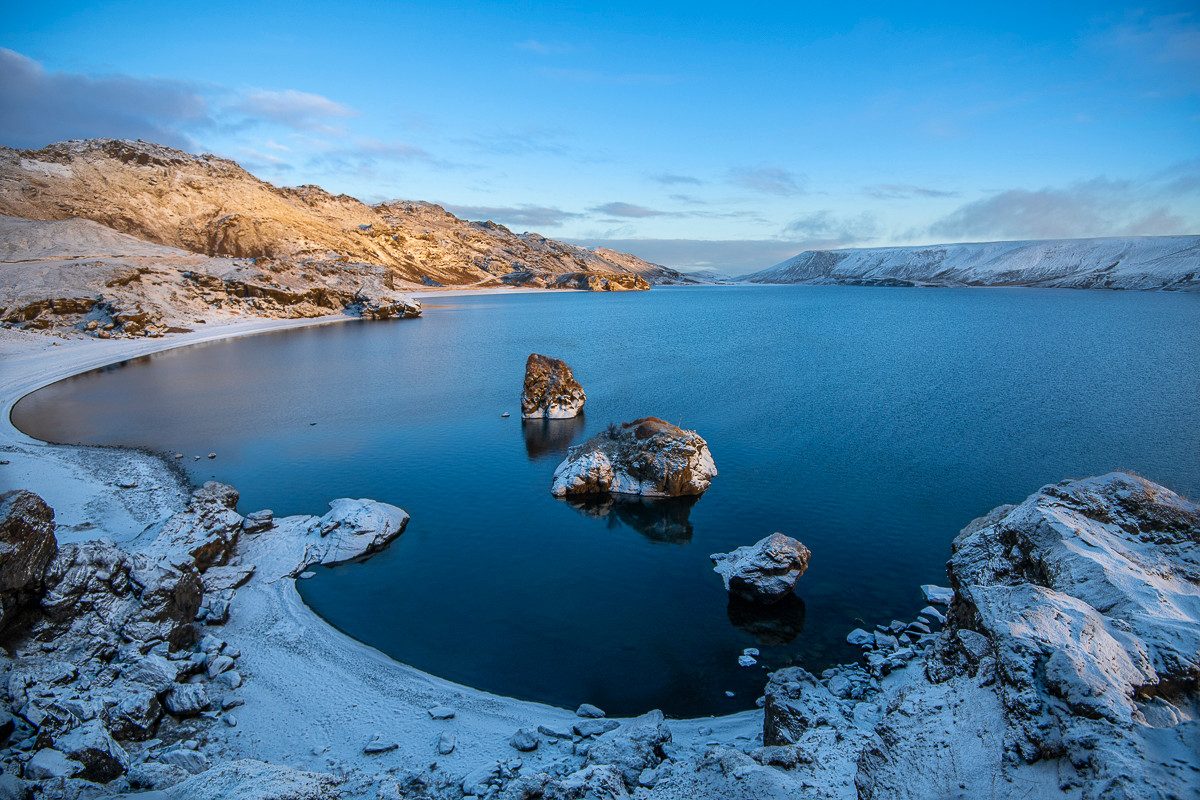
The largest lake in the region, known for its deep, serene waters and surrounding lava.
You leave Reykjavik at dawn, driving southwest along Route 41 as the capital's lights fade behind low hills. Within 30 minutes, the landscape shifts—pavement gives way to gravel turnouts, and black lava fields stretch toward the horizon.
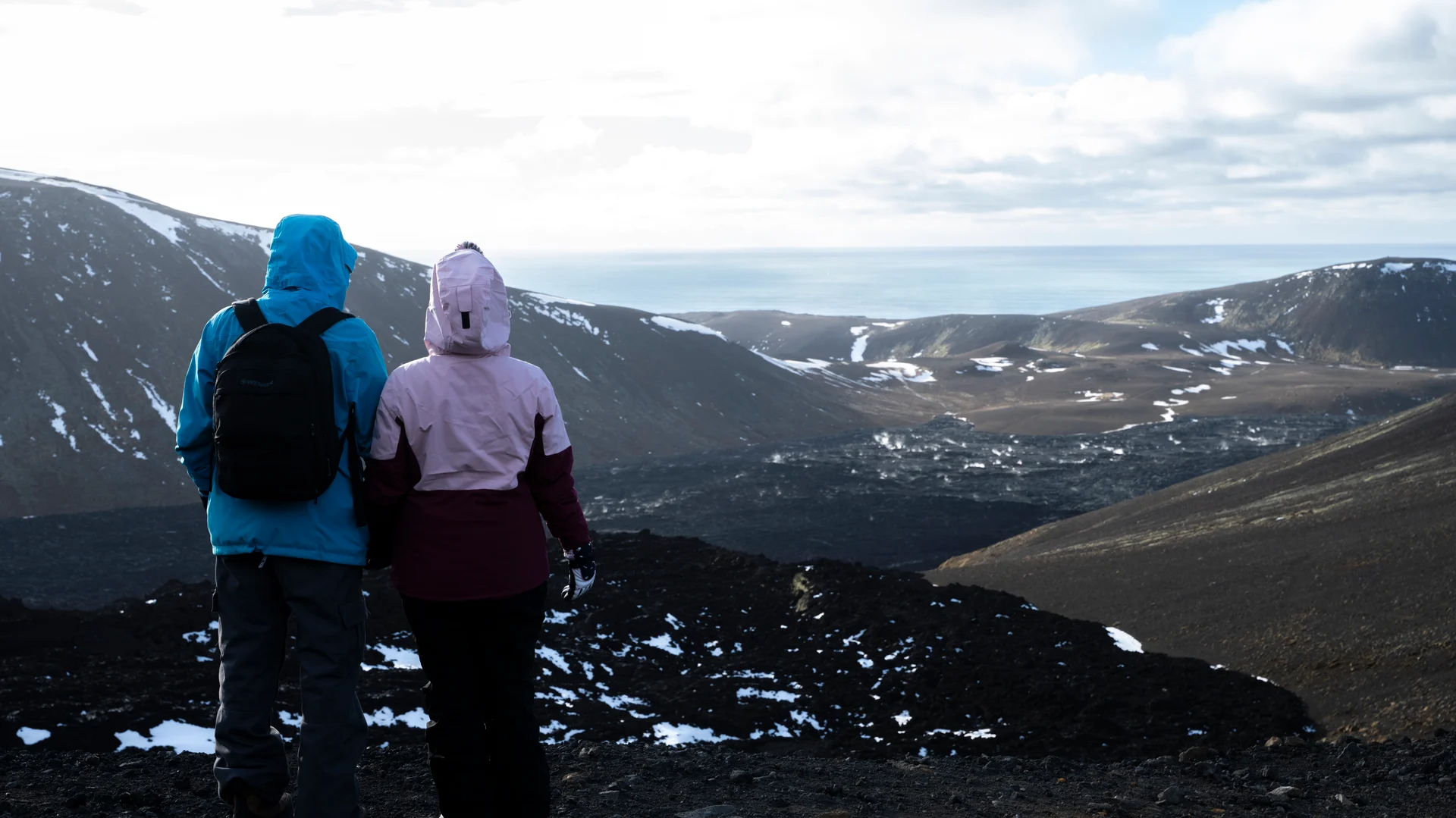
Your first stop is Fagradalsfjall, where you walk 800 metres across hardened lava from the 2021 eruption. The ground beneath your boots is uneven, sharp-edged, still warm in isolated pockets. Steam rises from cracks, and you crouch to feel the residual heat.
At Gunnuhver, you stand 10 metres from a boiling mud pool, its surface churning grey and white. The air smells of sulfur. You follow boardwalks through the geothermal field, pausing at fumaroles that emit steam with a low roar. The temperature drops as you drive to the coast. At Reykjanesviti lighthouse, you walk to the cliff edge, where waves crash 40 metres below. The wind is constant, salt-spray damp on your face.
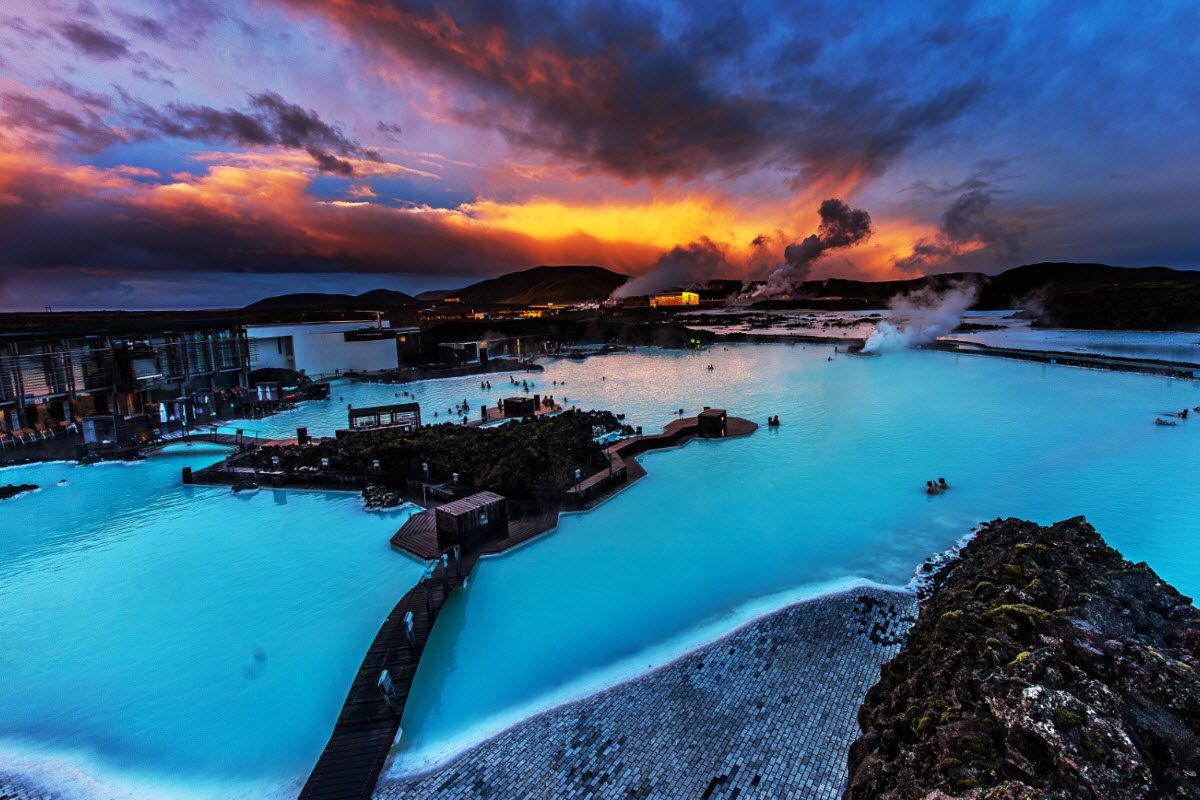
You cross the Bridge Between Continents, one foot on each plate, a symbolic gesture made tangible by the rift's visible width. At Kleifarvatn, you watch the lake's surface ripple under wind, surrounded by volcanic peaks. The final stop is the Blue Lagoon, where you wade into 39-degree water, silica mud available at the pool's edge. You apply it, rinse it, float. The contrast—geothermal warmth, cold air, black lava shore—defines the peninsula's character.
All the details about your upcoming adventure in one place
The Reykjanes Peninsula stretches southwest from Reykjavík across a geothermal landscape of lava fields, crater lakes, and coastal cliffs where the Mid-Atlantic Ridge surfaces above sea level. A reykjanes peninsula tour brings you to active geothermal areas like Gunnuhver and Seltún, the Bridge Between Continents, and the dramatic basalt coastline at Reykjanestá lighthouse. Reykjanes peninsula tours typically include stops at Kleifarvatn lake and the fishing village of Grindavík, offering a compact introduction to Iceland's volcanic geology and raw Atlantic scenery.
The Reykjanes Peninsula extends 50 kilometres into the North Atlantic, a geological theatre where the Mid-Atlantic Ridge surfaces above sea level. This volcanic landscape, shaped by millennia of tectonic activity, lies at the meeting point of the Eurasian and North American plates.
The peninsula's geothermal fields release 200-degree steam from fissures that mark the boundary between continents. Iceland's first settlers landed here in 874 CE, drawn by coastal resources and sheltered bays. Today, the region holds UNESCO Global Geopark status, recognized for its volcanic craters, lava tubes, and active geothermal systems.
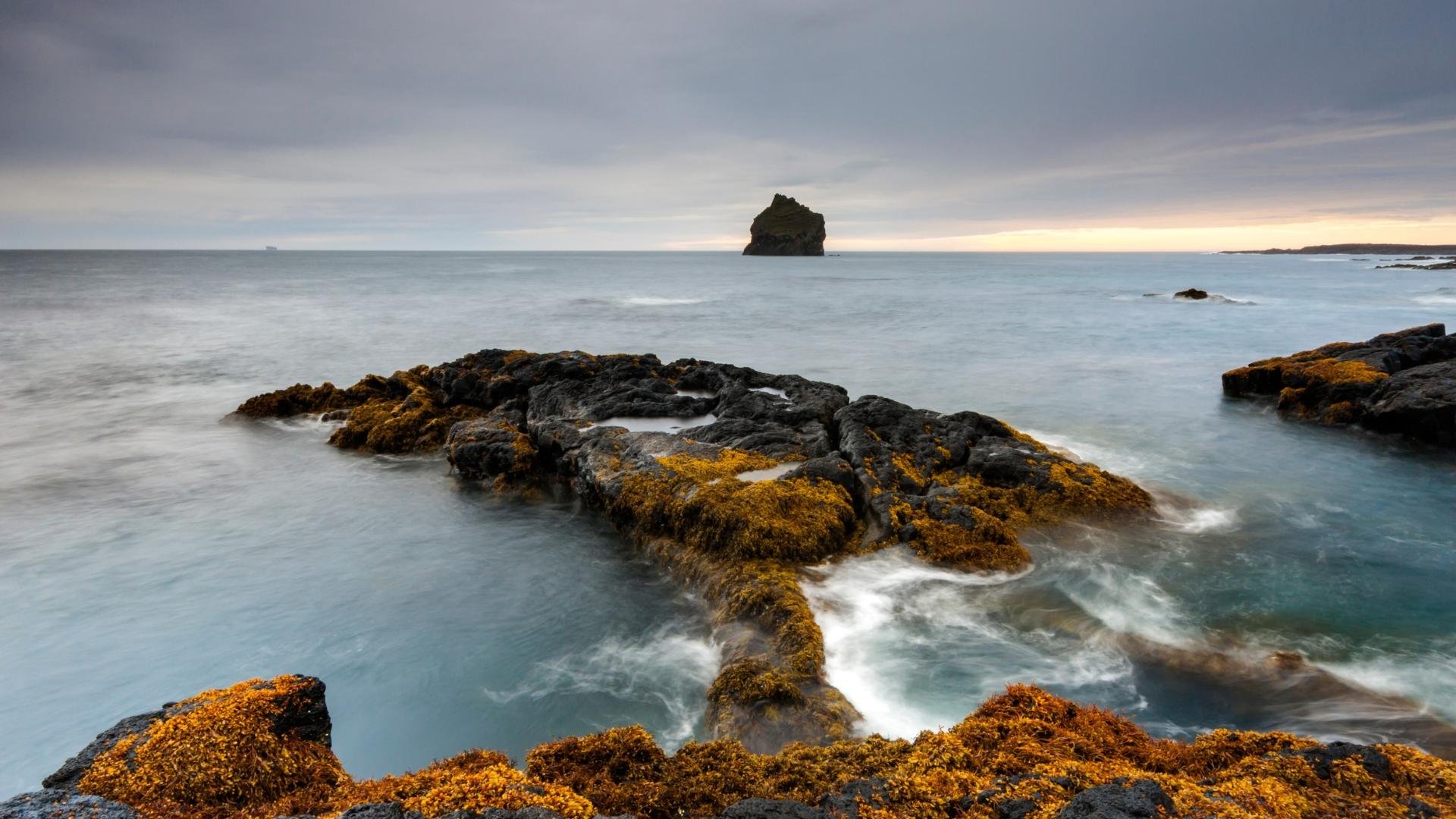
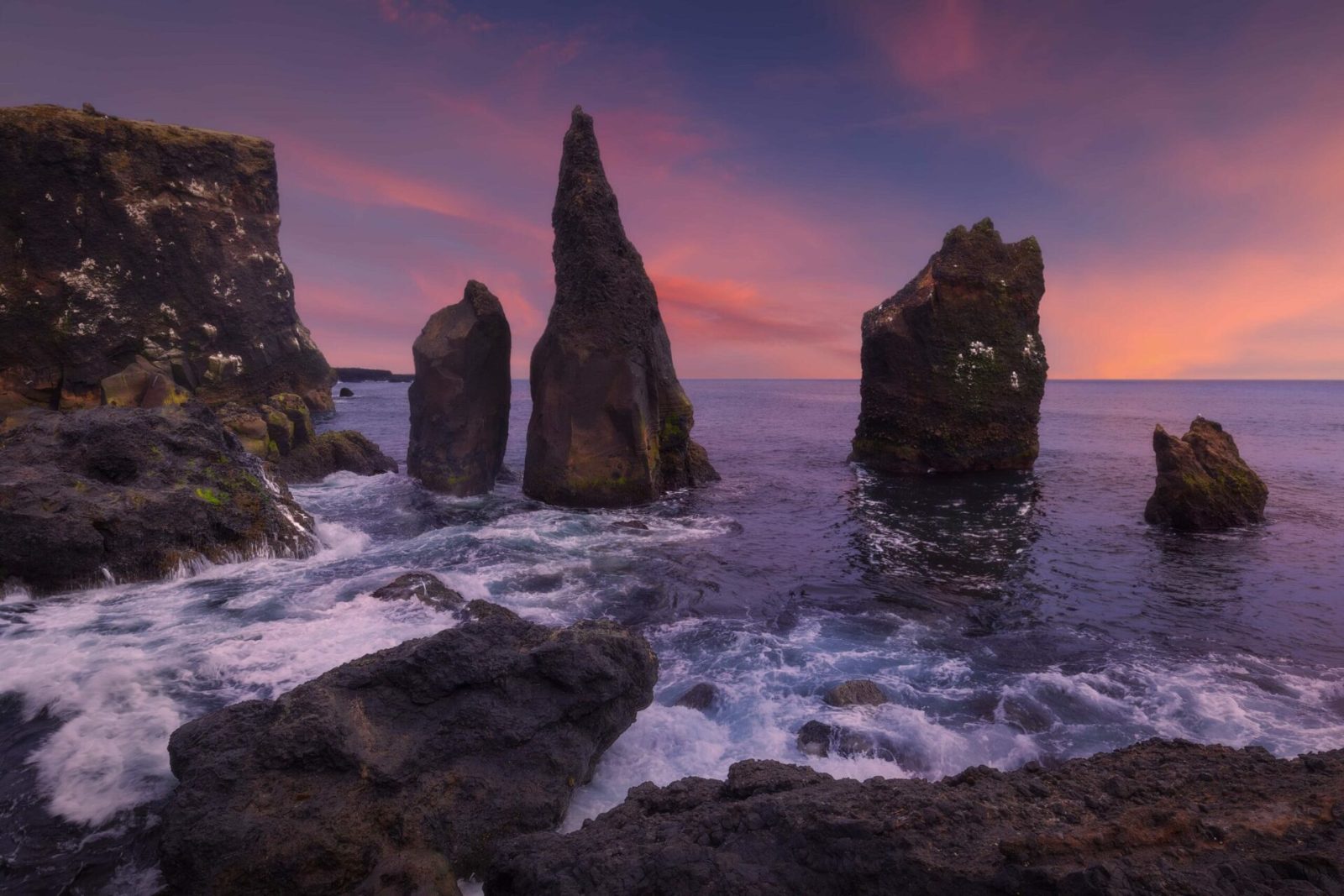
A Reykjanes Peninsula tour from Reykjavik covers terrain that has witnessed three volcanic eruptions since 2021, the most recent at Litli-Hrútur in 2023. The Fagradalsfjall eruption site remains accessible, its hardened lava fields still radiating residual heat. Visitors traverse black sand beaches at Sandvík, where Atlantic waves collide with basalt cliffs formed 3,000 years ago. The Gunnuhver geothermal area produces the largest mud pool in Iceland, named after the ghost Gunna in 17th-century folklore. Sulfur deposits stain the ground yellow, and steam vents hiss at irregular intervals. The peninsula's southwestern tip, Reykjanesviti lighthouse, stands above cliffs that drop 40 metres to the ocean, marking Europe's westernmost point before Greenland.
Architectural landmarks punctuate the volcanic expanse. The Bridge Between Continents spans a fissure in the rift valley, offering symbolic passage between tectonic plates. Kleifarvatn, Iceland's third-largest lake, has no visible drainage outlet—water seeps through porous lava beneath the surface. The Blue Lagoon, fed by runoff from the Svartsengi geothermal power station, operates 365 days per year at 37-40 degrees Celsius. Nearby, the Krýsuvík geothermal area displays boiling mud pots and fumaroles across a six-square-kilometre zone. The peninsula's lava fields, particularly Eldhraun and Younger Stampar, formed during eruptions in the 12th and 13th centuries, their moss-covered surfaces requiring 50 years to colonize.
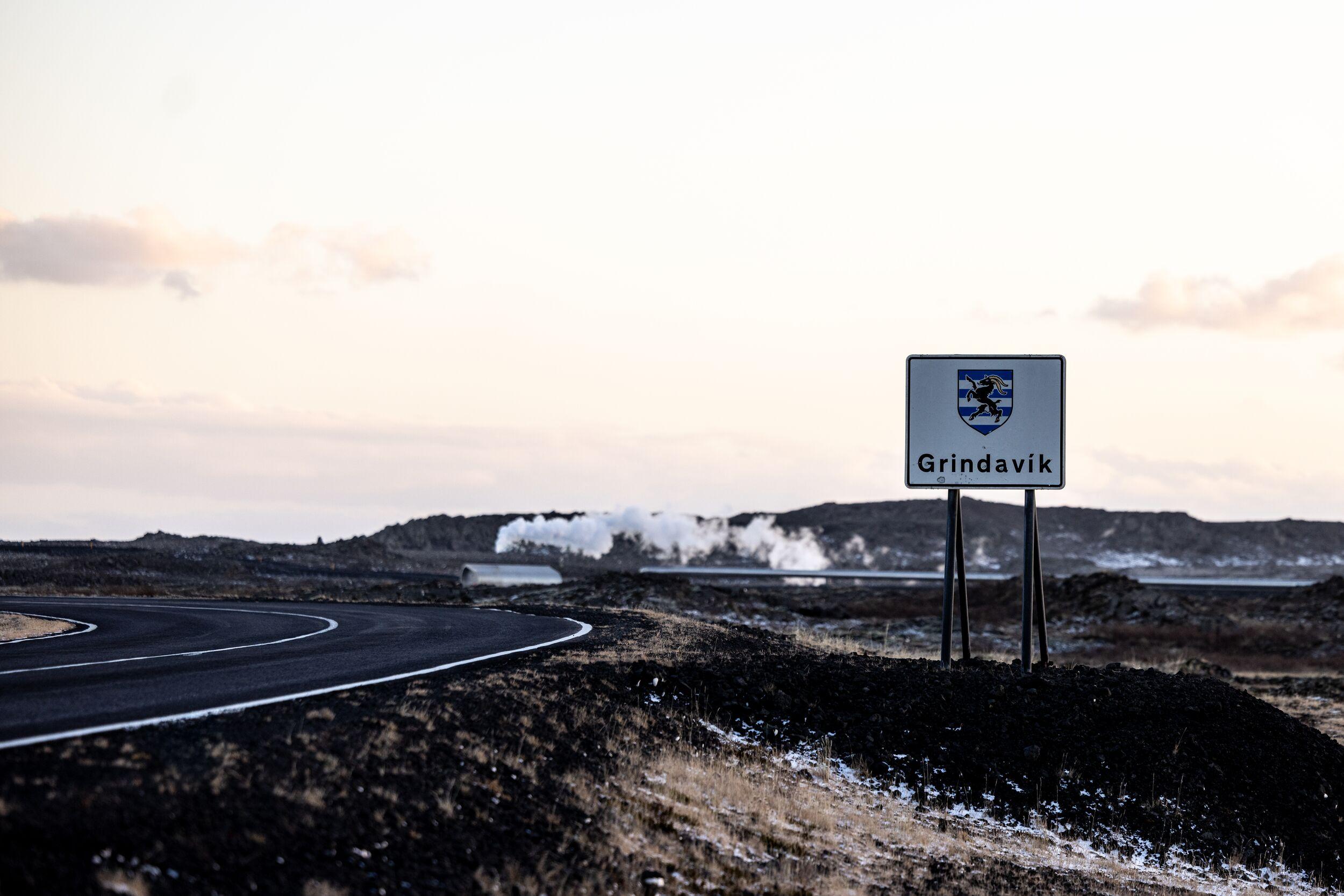
Reykjanes Peninsula day tours depart hourly from Keflavík International Airport, located 5 kilometres from the peninsula's northern edge. The route passes through Grindavík, a fishing village rebuilt after 2023 seismic activity forced temporary evacuation. Visitors witness ongoing volcanic monitoring stations and freshly formed lava flows. The peninsula's geothermal energy infrastructure supplies 30% of Iceland's electricity, visible in the form of pipelines traversing lava fields. Coastal birds—arctic terns, guillemots, razorbills—nest on cliffs from May through August. The landscape remains raw, unmediated by vegetation, a study in basalt, obsidian, and steam.

The peninsula's geothermal fields release 200-degree steam from fissures that mark the boundary between continents.
Dress in multiple thermal layers with a windproof and waterproof outer shell. Sturdy, waterproof hiking boots are essential for any reykjanes peninsula tour given the uneven volcanic terrain.
Keep belongings in a sealed, waterproof container to protect gear from volcanic dust and humidity. Small daypacks are suitable for a reykjanes peninsula tour, but avoid overpacking heavy equipment.
The area is a photographer's paradise, but always stay on marked paths to protect delicate moss. Drone use is restricted in certain protected geothermal areas during a reykjanes peninsula tour.
The region is suitable for families, though parents should supervise children closely near geothermal vents. A reykjanes peninsula tour can be tailored with easier walking paths for younger travelers.
Many sites are located in rugged, natural lava fields and are not fully wheelchair accessible. Paths to key landmarks like Seltún may feature gravel and steep sections.
Carry sufficient water and snacks, as services can be sparse outside of main towns. Follow 'leave no trace' principles for all food packaging during your reykjanes peninsula tour.
Opening Hours
00:00–23:59
Address
Reykjanes Peninsula, Iceland
Accessibility
Varies by site; some trails are rugged
Arrival Window
08:00–18:00
Official Site
https://www.visitreykjanes.is
Car · 2–5 hours · Variable fuel costs.
The most efficient mode for a reykjanes peninsula tour; drive Route 41 and 425.
Public transport · Varies · Low cost.
Limited service; better suited for inter-town travel between Keflavík and Grindavík.
Most operators for a reykjanes peninsula tour offer free cancellation up to 24 hours before the scheduled departure. Entrance to the region is 0 ISK, though some specific sites may have independent parking or activity fees.
Recommended time
Half a day to full day
A typical reykjanes peninsula tour requires at least four hours to navigate the rugged volcanic landscapes and geothermal vents effectively. Arriving during the 08:00–18:00 window helps manage time, as travelers often visit these sites shortly after landing at the nearby international airport. Securing reykjanes peninsula tour tickets is not required since the region maintains free access, though you should allocate extra time if you plan to walk through lava fields or observe coastal cliffs. Crowds tend to peak in the early afternoon, so those seeking solitude should prioritize a reykjanes peninsula tour tours departure during the quietest morning hours.
Crowd levels through the day
Weather · crowds · average price — dots go green to amber to red as each metric rises.
Increasing daylight and fewer crowds make this a quiet time for a reykjanes peninsula tour.
Longest days and mildest temperatures, ideal for full-day loop exploration.
Beautiful colors and cooling weather, perfect for dramatic photos of the landscape.
Best chance to see the Northern Lights, though roads require careful driving.
Always verify wind speeds and road closures via official sources before your reykjanes peninsula tour.
Fuel stations are infrequent; maintain at least half a tank during your journey.
Preserve the fragile moss and avoid geothermal burn risks by sticking to marked wooden walkways.
Weather is unpredictable; even in summer, wind and rain require waterproof gear.
Many hot springs and local pools are perfect for relaxing after a long day of hiking.
The Reykjanes Peninsula sits atop the Mid-Atlantic Ridge, the only place on Earth where this massive tectonic boundary rises above sea level. The North American and Eurasian plates diverge here at roughly two centimeters per year, a process that has shaped the peninsula's black lava fields, fissure swarms, and geothermal systems for millennia. Iceland itself emerged from this rift around twenty million years ago, and the Reykjanes region remains one of its most geologically active zones. Eruptions occur in centuries-long cycles, with the most recent phase beginning in 2021 after an 800-year dormancy. Human settlement came late to this windswept volcanic expanse. Norse settlers arrived in Iceland around 874 CE, but the Reykjanes Peninsula remained sparsely populated due to its harsh terrain and lack of arable land. Coastal fishing villages emerged by the thirteenth century, and the region became a vital staging point for maritime trade. The Reykjanes lighthouse, built in 1878 near the southwestern tip, marked a turning point in navigation safety. Grindavík, the peninsula's largest settlement, grew into a fishing hub by the early twentieth century, its harbor carved from the volcanic coastline. The peninsula's geothermal wealth transformed its modern identity. Exploration of underground steam reservoirs began in the 1940s, leading to the construction of the Svartsengi geothermal power station in 1976. The Blue Lagoon, now a global icon, formed accidentally in 1976 when mineral-rich runoff pooled in a lava field near the plant. What began as an industrial byproduct became a commercial bathing site by 1987. The 2021 Fagradalsfjall eruption marked a new chapter, drawing hundreds of thousands to witness active lava flows—a spectacle that redefined Reykjanes peninsula tours as journeys into Earth's living geology. The eruptions continue sporadically, reshaping the land visitors walk upon.
The Mid-Atlantic Ridge pushes molten rock above sea level, beginning the formation of Iceland.
Norse settlers reach Iceland; the Reykjanes Peninsula remains largely uninhabited due to its volcanic terrain.
The Reykjanes lighthouse is constructed, improving navigation around the peninsula's treacherous southwestern coast.
The Svartsengi geothermal power station begins operation, and mineral-rich wastewater forms the Blue Lagoon lagoon.
The Blue Lagoon opens commercially, transforming geothermal runoff into a destination that attracts global visitors.
The Fagradalsfjall volcano erupts after 800 years of dormancy, initiating a new eruptive phase on the peninsula.
A series of eruptions near Grindavík reshape the landscape and necessitate evacuations, underscoring ongoing tectonic activity.
Position your tripod on the grassy cliff edge north of the lighthouse for a composition featuring the red-and-white tower against the Atlantic waves. This serves as a primary highlight for any reykjanes peninsula tour.
Stand directly in the center of the footbridge to capture the dramatic rift valley and tectonic fissures stretching toward the horizon. Use a wide-angle lens to emphasize the gap between the North American and Eurasian plates.
Capture the intense steam plumes from the designated wooden boardwalks to ensure safety and scale. Focus on the contrast between the mud pools and the rugged volcanic terrain.
Locate the viewing platform at the edge of the sea cliffs to photograph the jagged basalt sea stacks and turbulent surf. This location provides essential depth for photographers seeking reykjanes peninsula tour tours.
Follow the gravel pathways to the upper observation deck to frame the vibrant sulfur deposits and multicolored mineral slopes. These reykjanes peninsula tour tickets provide access to one of the most accessible geothermal areas in the region.
Dining options across the peninsula cater to all road-trippers, from upscale geothermal-adjacent experiences to casual harbor-side bites near your reykjanes peninsula tour route.
Located at the Blue Lagoon, this restaurant offers refined Icelandic cuisine with fresh local ingredients and sweeping views of the volcanic landscape.
A cozy harbor-front spot in Grindavík serving traditional lobster soup and fresh seafood, ideal for a relaxed meal after exploring the nearby coastal paths.
A family-friendly venue in central Grindavík specializing in pizza and fish and chips, providing a welcoming atmosphere for those planning their reykjanes peninsula tour tours.
Situated in Keflavík, this flagship eatery provides hearty breakfast, lunch, and dinner options, making it a convenient stop before or after your reykjanes peninsula tour ticket arrival.
A local favorite in Njarðvík for freshly baked pastries and coffee, perfect for grabbing a quick bite before embarking on a reykjanes peninsula tour tour of the region.
Real experiences from real travelers
Our guide explained the tectonic activity brilliantly as we walked between continents on the Reykjanes Peninsula. The geothermal areas were otherworldly with steam rising from every fissure. Weather shifted from sun to drizzle in minutes but that made the lava fields even more dramatic.
Reykjanes peninsula tour exceeded expectations with stops at Gunnuhver and the coastal cliffs. The scale of the lava fields is hard to grasp until you stand in them. Our small group had plenty of time at each location without feeling rushed.
The combination of volcanic terrain and ocean views made this tour special. We visited several hot springs and learned about Iceland's renewable energy infrastructure. Cold November wind made the steaming vents even more impressive.
Tour covered geothermal sites, coastal viewpoints, and the continental divide in about six hours. Guide was knowledgeable about geology and Icelandic history. Only complaint was limited time at the lighthouse for photos.
Starting our trip with a Reykjanes tour was the right choice. The lava fields near Grindavík showed recent volcanic activity and our guide shared stories from the 2021 eruption. Stopped at the Bridge Between Continents for the tectonic plate experience.
The black sand beaches and sea cliffs along Reykjanes Peninsula were stunning against the grey Atlantic. Geothermal steam vents created an almost alien atmosphere. Tour included a stop at the geothermal power plant visitor center which was surprisingly interesting.
Our guide knew every geological formation and gave clear explanations without overloading us with technical terms. The Reykjanes peninsula tour tickets included entry to several sites. Weather was typical Icelandic autumn — layers were essential.
Visiting in early December meant snow on the lava fields and dramatic light. Geothermal areas were extra atmospheric with steam against the cold air. Small group size meant we could adjust timing at each stop.
The contrast between active geothermal zones and rugged coastline made this tour memorable. We saw where new land is literally being formed. Guide pointed out bird colonies on the cliffs near the lighthouse.
Tour routes across Reykjanes Peninsula showed the volcanic systems that power Iceland. The colorful mineral deposits around hot springs were photogenic. Spring weather meant wildflowers starting to bloom in sheltered areas between lava flows.
Everything you need to know for your journey
The region is open 00:00–23:59, though individual sites have varying daylight accessibility.
Accessibility varies; many sites involve uneven terrain unsuitable for wheelchairs.
Entry to the region is 0 ISK; however, guided tours and private attractions require their own bookings.
Bring waterproofs, sturdy boots, and a camera for your reykjanes peninsula tour.
A comprehensive trip ranges from a few hours to a full day depending on your interest level.
Yes, but always check safety warnings and stay on marked trails.
Services are available in towns like Keflavík and Grindavík, but carry snacks for the road.
Summer (June–August) offers the most daylight for your reykjanes peninsula tour.
Parking is available at designated sites; some may charge a fee to support trail maintenance.
Famous geothermal spa located in a lava field.
Site of recent volcanic activity and hiking trails.
Largest lake on the peninsula with serene waters.
Historic site with excellent coastal views.
Exclusive spa-focused stay.
Convenient for early or late flight arrivals.
Local stay within a residential district.
Join thousands of happy travelers who have discovered this incredible experience
Book Your Experience Now